Not every arborist carries the same insurance, or the same risk. Here's what to check before anyone touches a tree on your property.
Tree work is inherently high-risk. Before allowing anyone to work on your property, it's worth knowing what to check: is the contractor appropriately qualified, insured and equipped to carry out the work? This guide covers what public liability insurance and workers compensation actually protect, what separates professional tree work from simply owning a chainsaw, and what to ask before any tree work begins.
If you've searched for an insured arborist near me, insurance is one of the first things worth checking, before you check price.
Key Takeaways
Tree work involves real hazards — large trees, chainsaws, climbing operations, heavy machinery, and work around homes, vehicles, fences, and neighbouring properties.
MidCoast Tree Solutions carries $20 million in public liability insurance, giving clients a financial safety net if property is damaged or someone is injured as a result of the work.
A professional tree company should also carry appropriate workers compensation cover for its crew — using an uninsured contractor can expose you to real financial or legal risk.
Professional tree work combines qualified arborists, specialised equipment, risk management, controlled dismantling, and property protection, not just insurance on its own.
A significantly cheaper quote is worth questioning — it can mean corners are being cut on insurance, training, or equipment.
Before work begins, ask for evidence of insurance, qualifications, a written quotation, and confirmation of how hazards and property protection will be managed.
For larger or higher-risk projects, ask for a Certificate of Currency rather than simply accepting that a contractor says they're insured.
1. Why Tree Work Carries Real Risk
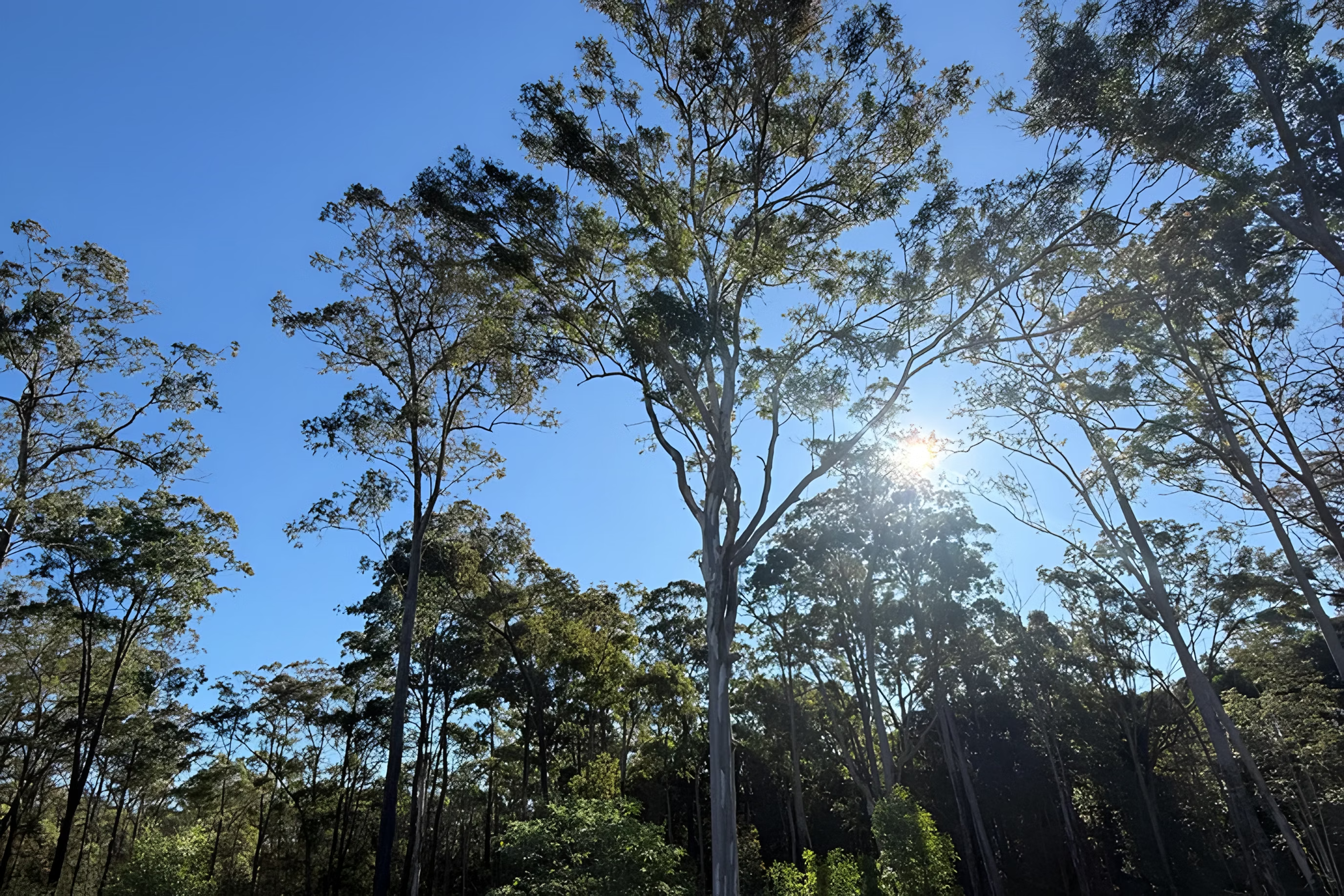
Large trees, chainsaws, climbing operations, heavy machinery, falling timber, and work around homes, vehicles, fences, power infrastructure, and neighbouring properties all create risks that need to be professionally managed. For homeowners, choosing a tree company shouldn't come down to price alone.
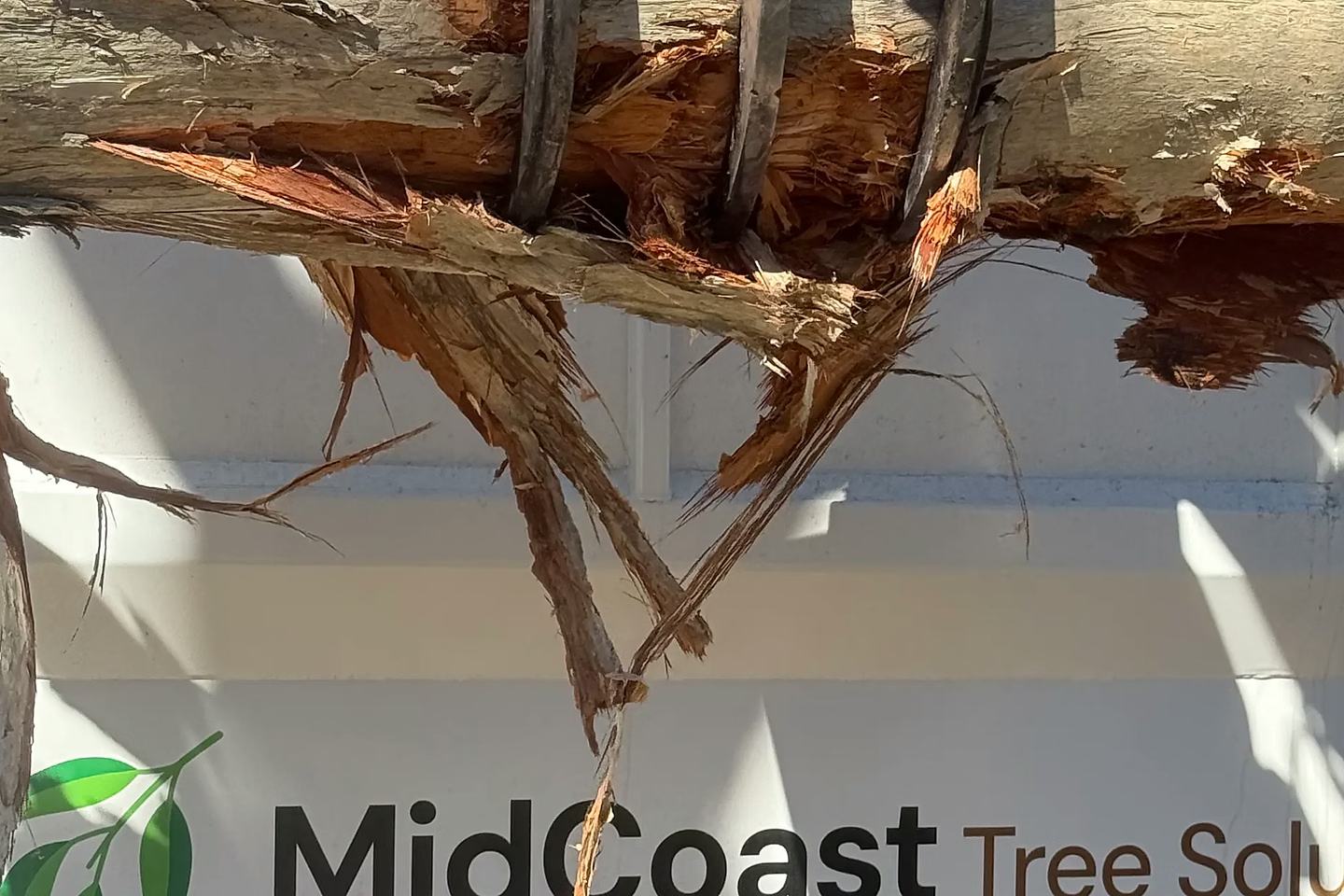
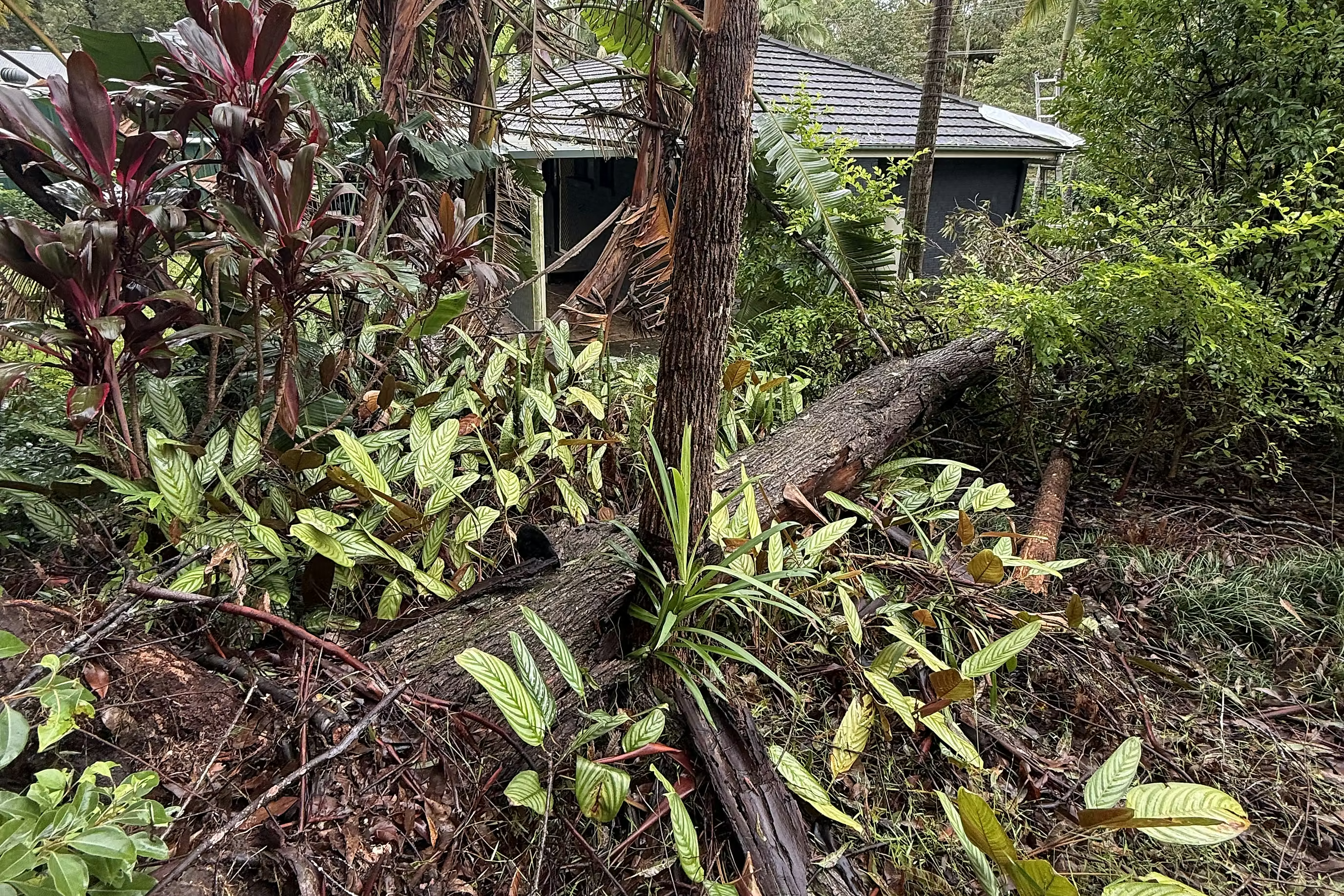
One of the most important questions to ask before allowing anyone to work on your property is simple: are they appropriately qualified, insured and equipped to carry out the work? A falling limb or section of timber can cause substantial damage to:
Homes and buildings
Vehicles, sheds and garages
Fences and swimming pools
Landscaping and underground or above-ground services
Neighbouring properties and public infrastructure
Professional tree companies plan their work to prevent these incidents, but appropriate insurance provides another layer of protection.
2. Public Liability Insurance
MidCoast Tree Solutions carries $20 million in public liability insurance. Public liability insurance covers property damage or personal injury that occurs as a result of the work — giving you a financial safety net if something goes wrong on site.
It's always worth checking a contractor's cover is current, rather than relying on their word for it. If you'd like to see ours, get in touch and we can provide it.
3. Workers Compensation / WorkCover
A professional tree company employing workers should also have appropriate workers compensation insurance arrangements in place. Tree workers routinely operate at height, use chainsaws and wood chippers, work around suspended loads, and operate heavy machinery.
Homeowners should be cautious about engaging operators who can't demonstrate appropriate insurance for the people doing the work. Using an uninsured or inadequately insured contractor can create unnecessary complications and potentially significant financial or legal exposure if something goes wrong.
4. The Difference Isn't Just Insurance
Insurance is only one part of choosing a professional arborist. Professional tree work combines several things working together.
Qualified and Experienced Arborists
Understanding tree structure, rigging, dismantling techniques, and how different species respond during removal or pruning. Our team brings this experience to every job.
Specialised Equipment
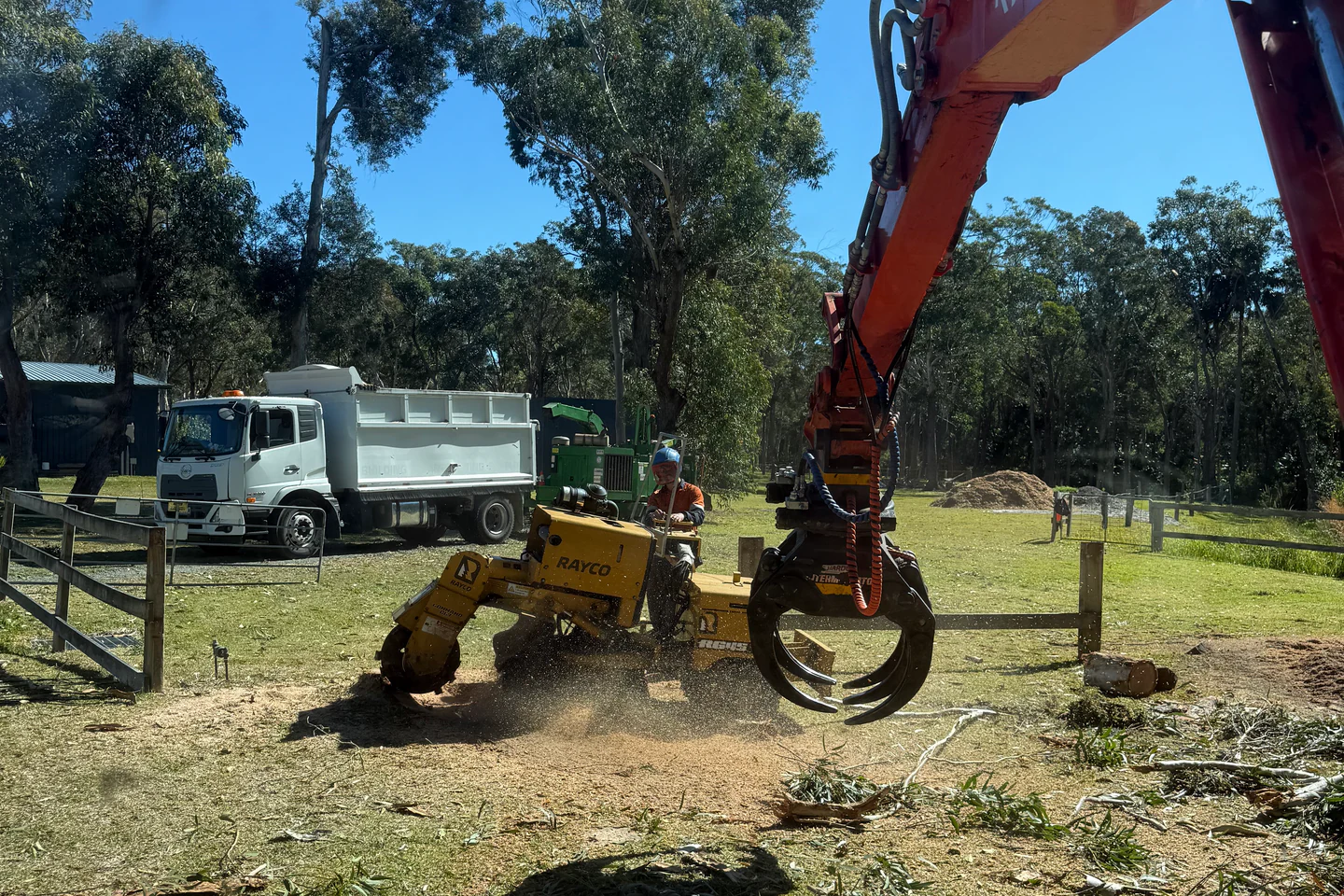
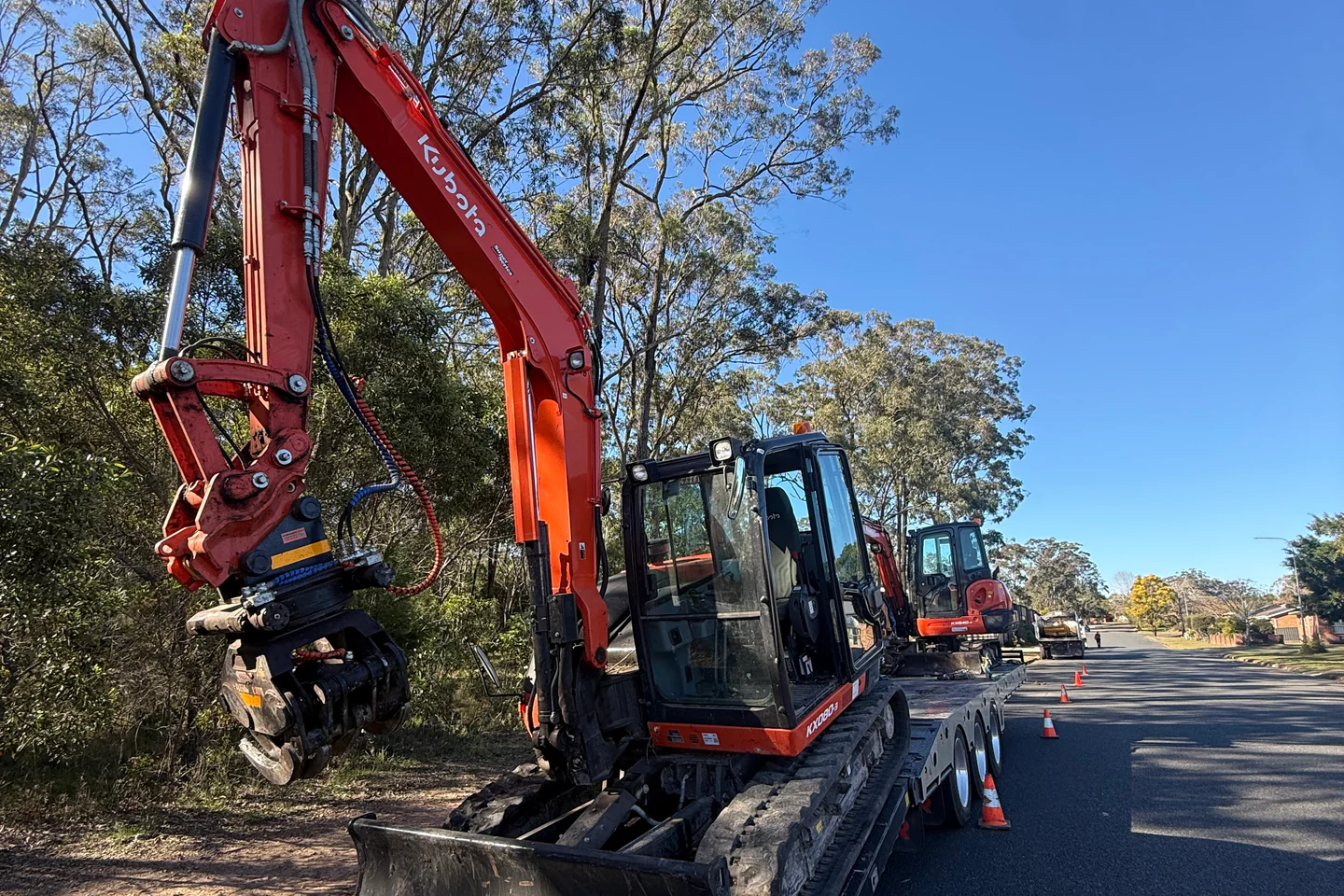
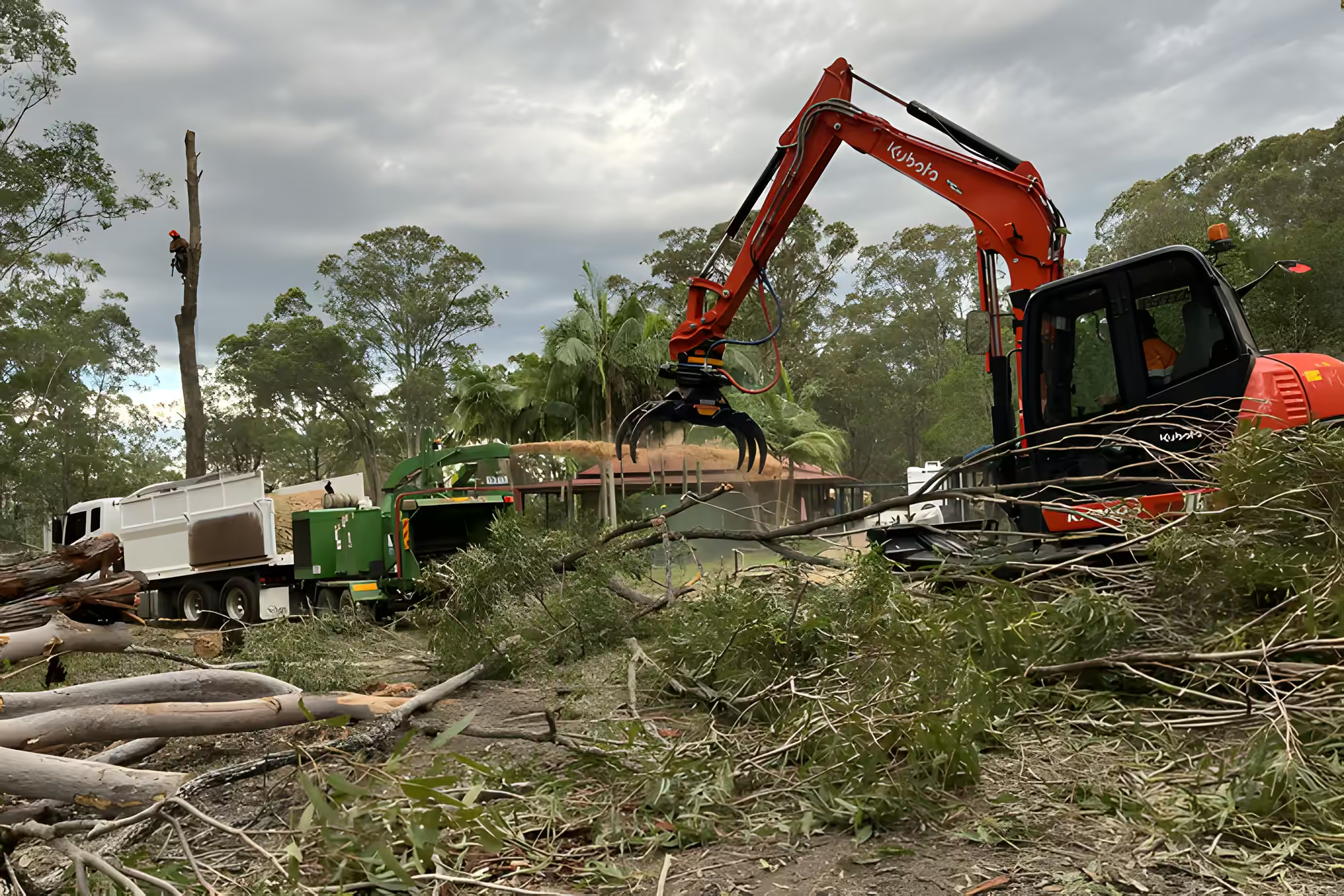
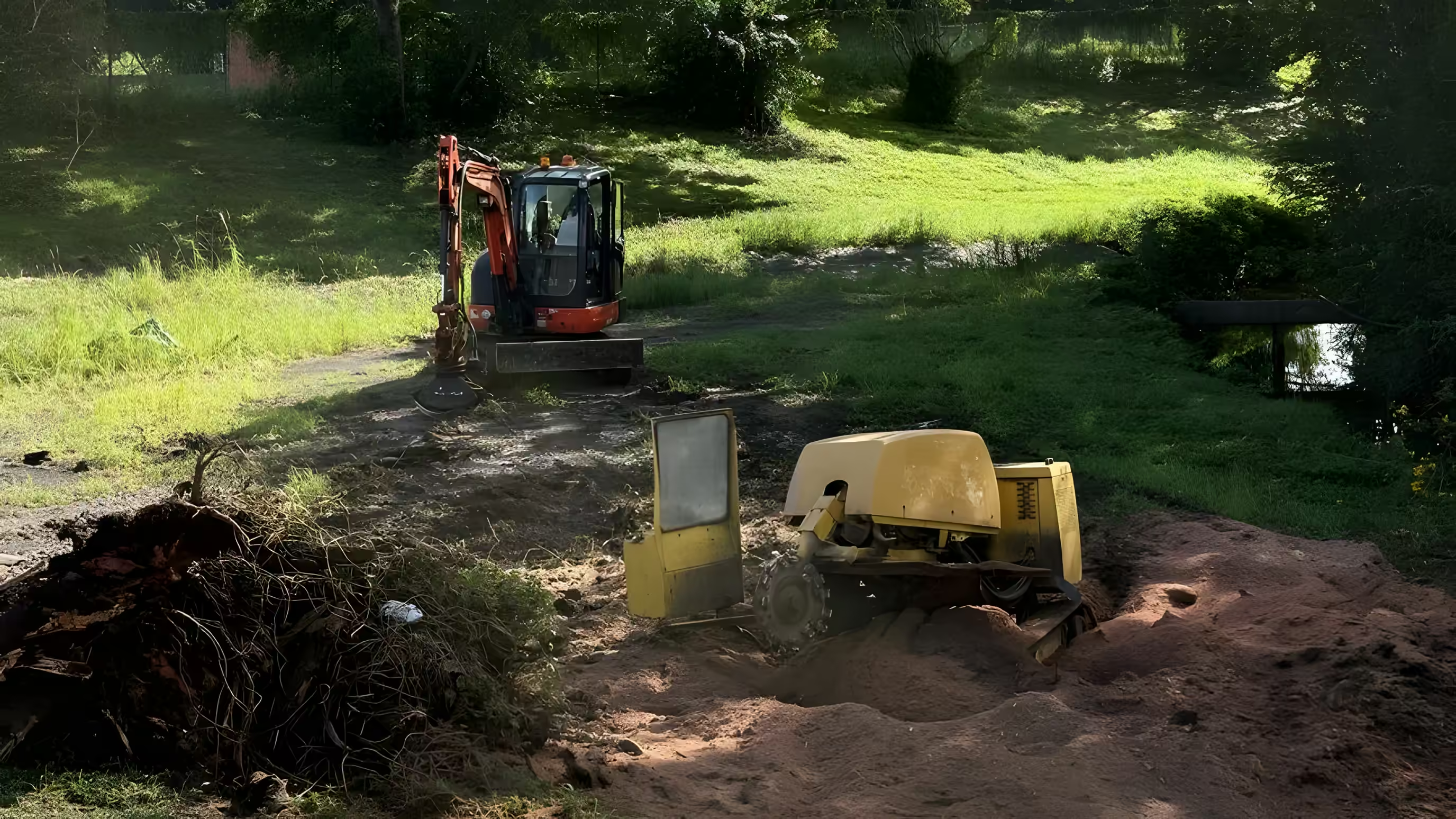
Purpose-built climbing systems, rigging equipment, wood chippers, excavators, grapple attachments, and other machinery used for land clearing and removals allow work to be carried out efficiently and with greater control.
Risk Management
Hazards should be identified before work begins, including structures, people, services, unstable trees, falling-object zones, and machinery interaction.
Controlled Dismantling
Where trees can't simply be felled, experienced climbing arborists can dismantle them progressively and use rigging systems to control sections of timber.
Property Protection
Professional contractors consider not only how to remove the tree, but how to access the site, move material, and complete the project while minimising damage to lawns, gardens, driveways, and surrounding infrastructure.
5. The Cheapest Quote Can Carry the Greatest Risk
A significantly cheaper tree removal quote may look attractive at first. But it's worth asking why one contractor can be substantially cheaper than another.
Does the contractor have appropriate insurance?
Are the workers appropriately trained and experienced?
Is their equipment suitable for the job?
Do they have appropriate safety procedures?
What happens if a section of tree damages your home?
What happens if a worker is seriously injured?
What happens if a neighbouring property is damaged?
Saving money on the initial quote can quickly become insignificant compared with the potential consequences of an incident involving an uninsured or inadequately insured operator.
6. What Homeowners Should Ask Before Tree Work Begins
Before engaging a tree contractor, it's worth asking for:
Evidence of current public liability insurance
Evidence of appropriate workers compensation / WorkCover arrangements
Relevant arboricultural qualifications and experience
Confirmation that the company has suitable equipment for the proposed work
Confirmation of how major hazards and property protection will be managed
For larger or higher-risk projects, it's also worth requesting a Certificate of Currency rather than simply accepting that a contractor says they're insured.
7. Professional Tree Work Is About Managing Risk
The difference between professional arboriculture and simply owning a chainsaw can become very clear when something goes wrong. Before accepting the cheapest tree removal quote, it's worth asking one simple question: if something goes wrong, am I properly protected? A reputable arborist should be comfortable providing evidence of their insurance and explaining how they intend to safely undertake the work.
Choose an Arborist You Can Trust
MidCoast Tree Solutions carries $20 million in public liability insurance, backed by qualified and experienced arborists. From hazard tree removal and tree pruning to land clearing and emergency response, our team approaches every job with the equipment, experience and insurance expected of a professional arboricultural contractor.