Case Study
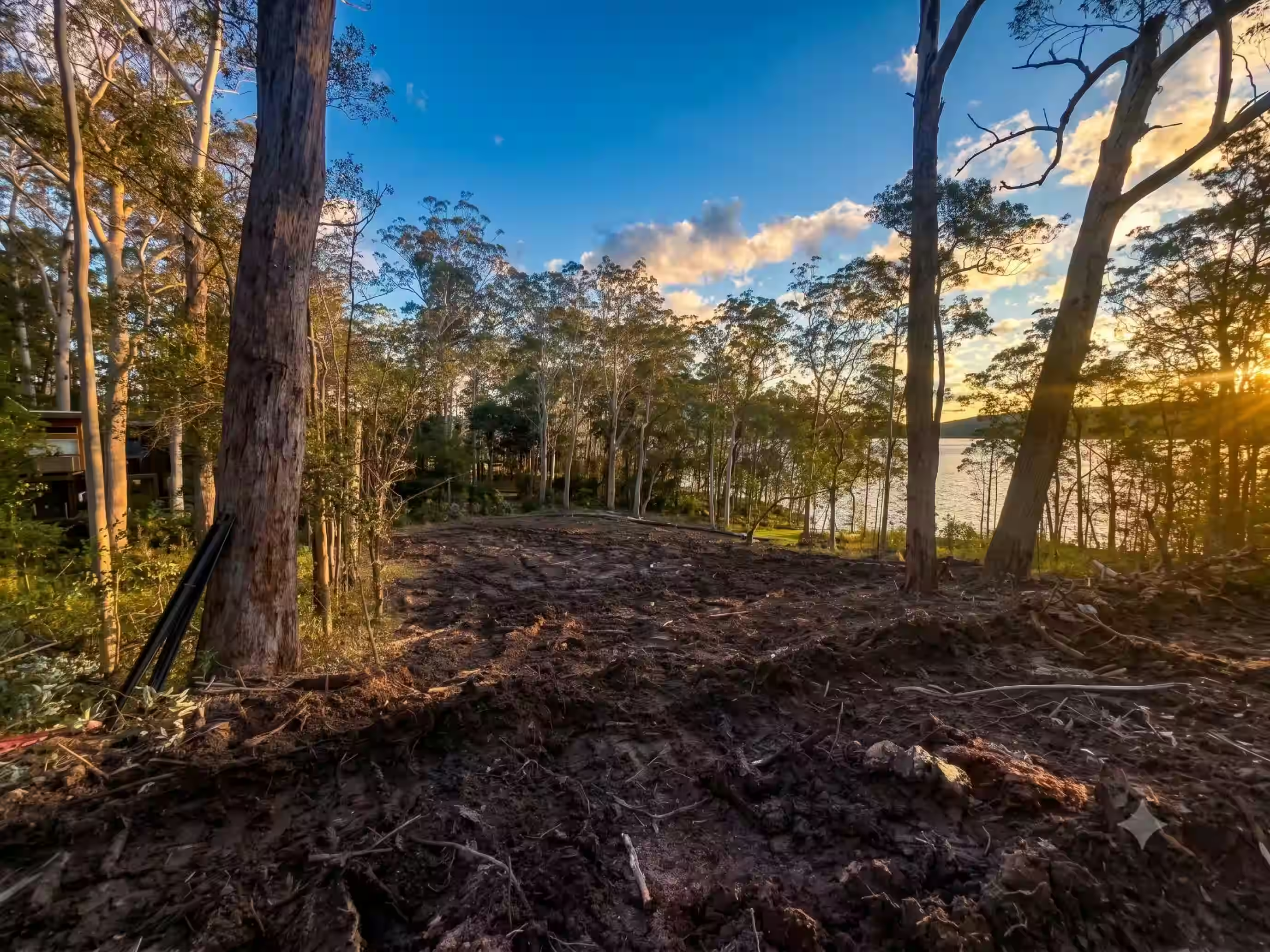
Land Clearing for Shed Development — Charlotte Bay, Mid North Coast
DA-approved vegetation clearing, stump grinding, and site preparation for a shed development at Charlotte Bay on the NSW Mid North Coast.

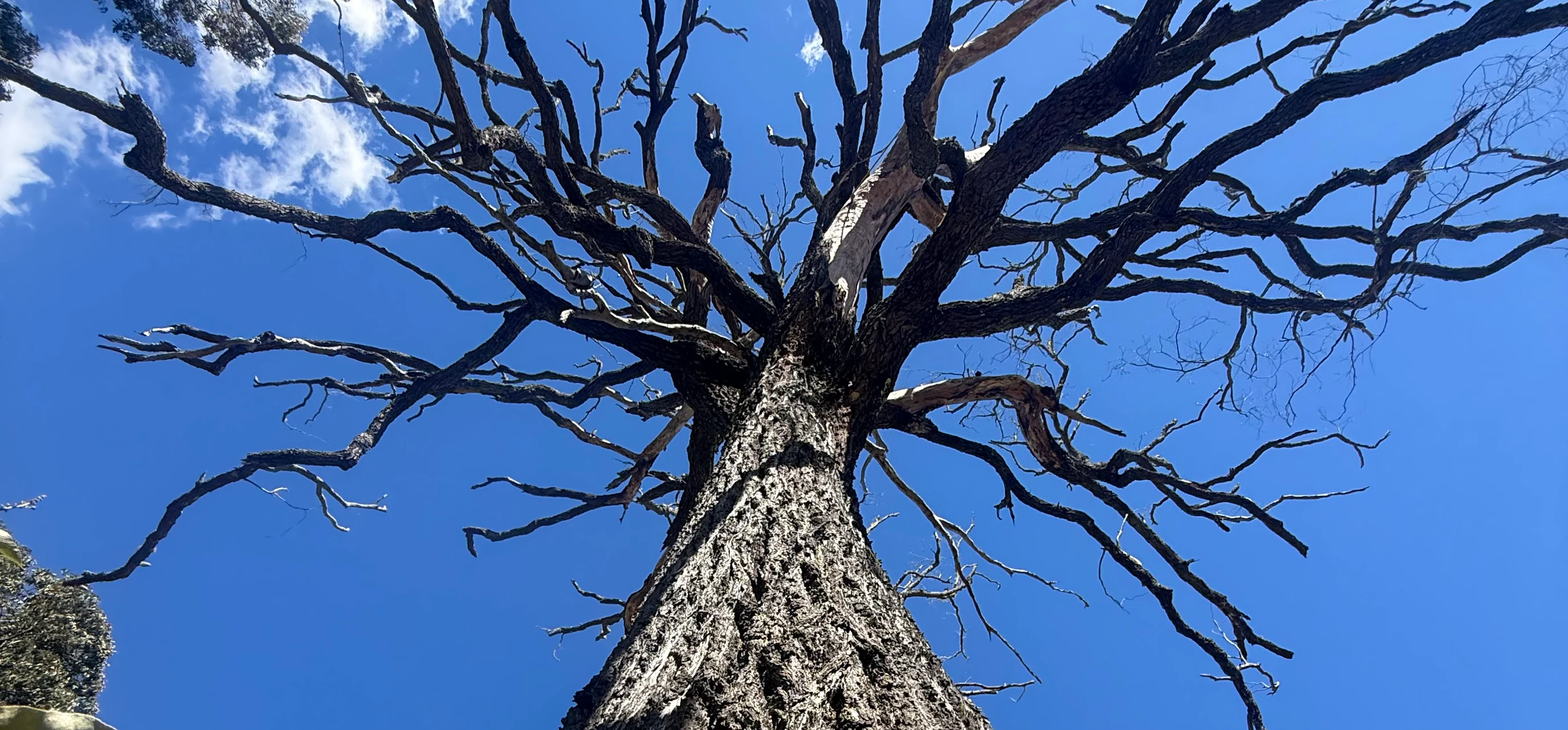
Specialist removal of five dead Ironbark trees and hazardous deadwood from a mature eucalypt overhanging an active play area, completed for a commercial site in Taree on the NSW Mid North Coast.
| Location | Taree, NSW (Mid North Coast) |
| Project Type | Commercial tree removal (established landscape, active play area) |
| Client | First Steps, Taree |
| Services | |
| Sector | Commercial |
| Outcome | Five hazardous Ironbarks and dangerous deadwood removed with no damage to gardens, pathways or play infrastructure |
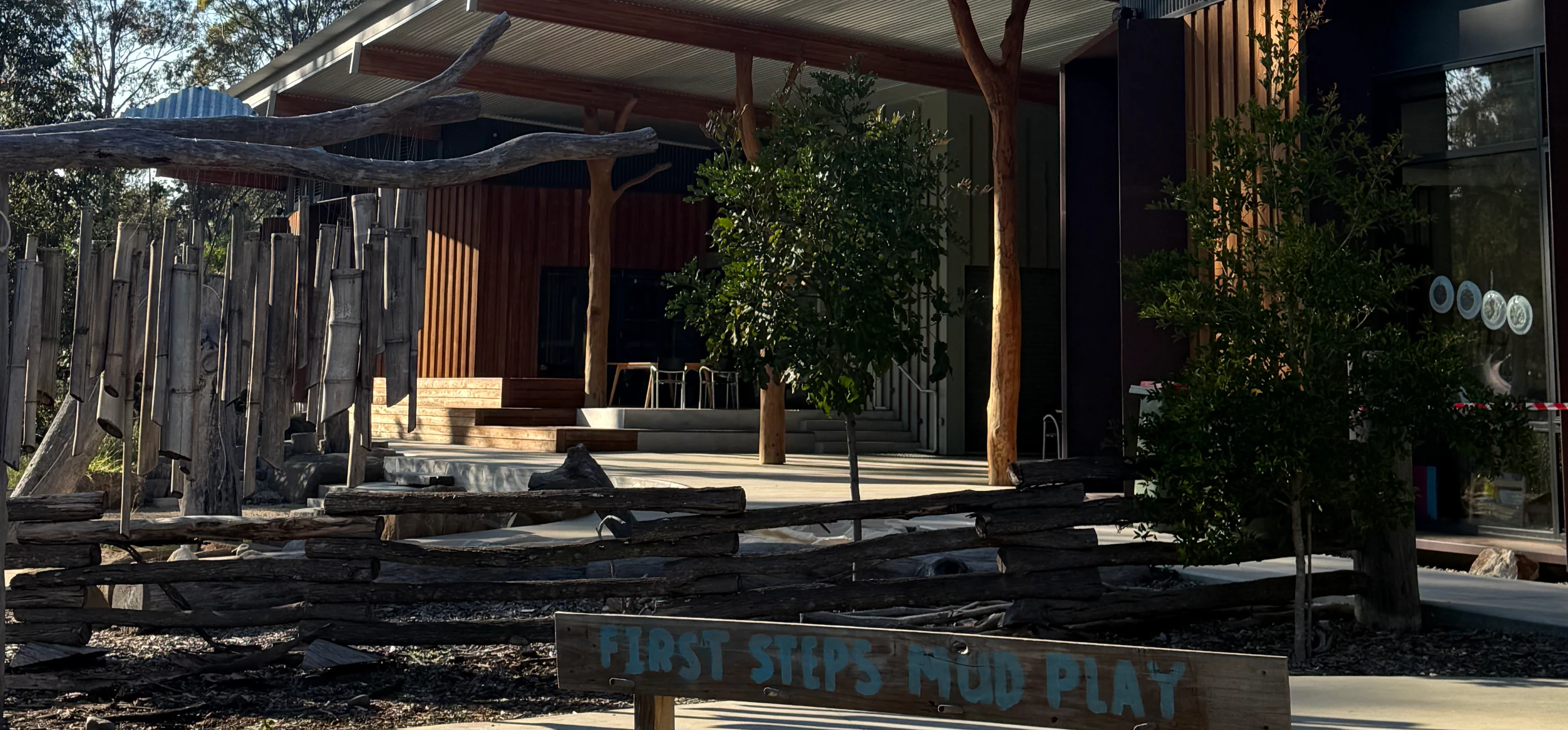
MidCoast Tree Solutions was engaged to undertake specialist tree removal and hazardous deadwood management at First Steps in Taree, working within a highly established landscaped environment and an active play area.
The scope of works involved the removal of five large dead Ironbark trees, along with the removal of hazardous deadwood from a mature eucalypt overhanging the play area.
The trees were located amongst established gardens, lawns, play spaces, pathways and built infrastructure. This was an environment that called for a careful, considered approach rather than a standard tree removal.
Protecting the surrounding landscape was a major consideration throughout the project. The site required a carefully planned approach that allowed the crew and machinery to access the trees without damaging lawns, gardens or existing infrastructure.
With the site's play area nearby, sequencing the works and containing falling material safely were as important as the removal itself.
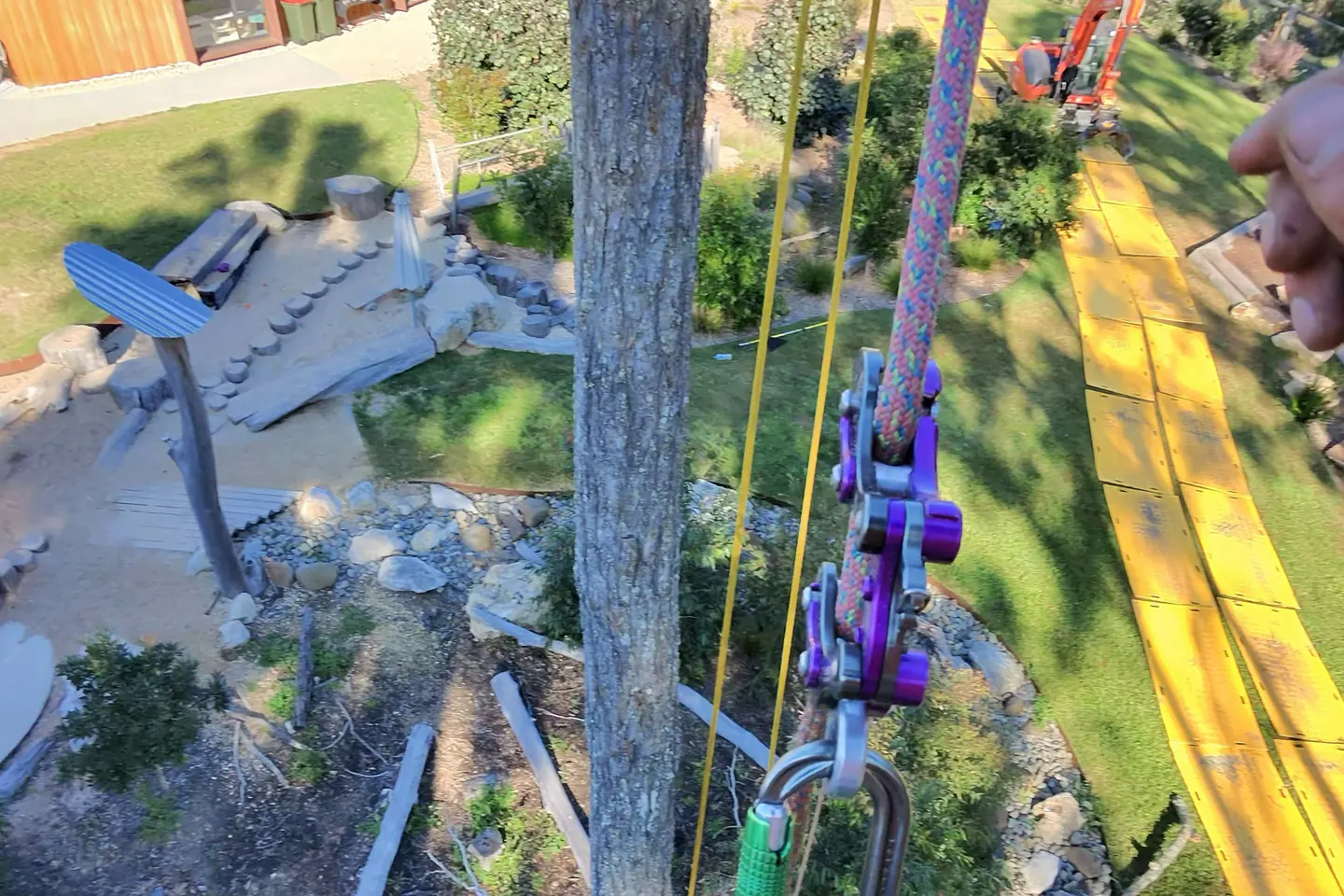
The crew developed a staged methodology suited to the confined, highly established site at Taree.
Before any machinery entered the site, the crew assessed each of the five dead Ironbarks and the deadwood within the mature eucalypt, mapping access routes through the gardens and play spaces that would cause the least disturbance to lawns and infrastructure.
Heavy-duty excavator access mats were installed across the lawn, creating a temporary access route for the 8-tonne excavator. This allowed the excavator to travel safely through the landscaped area while spreading its load and protecting the established turf underneath.
The climbing arborist sectionally dismantled the dead trees from the canopy down, using controlled rigging and dismantling techniques to manage timber safely within the restricted work area. Rather than allowing large sections to impact the ground, material was lowered and managed in a controlled manner.
The 8-tonne excavator, fitted with a rotating grapple, was used to grab, carry and process the dismantled timber, transporting material across the access mats to the chipper and processing area.
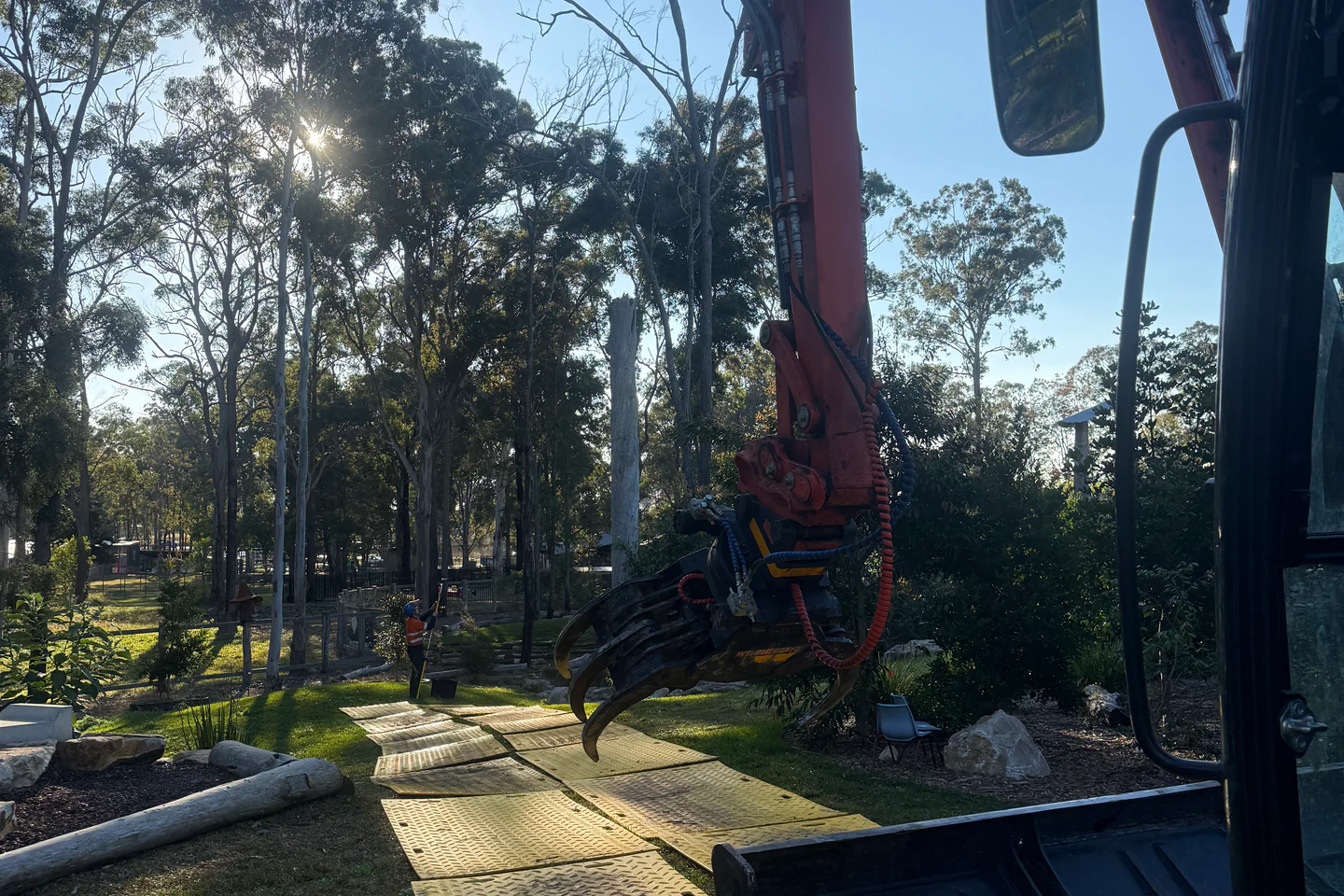
A key objective of the project was to leave the surrounding landscape and infrastructure unaffected by the works. By combining specialist climbing, controlled dismantling, mechanical handling and temporary ground protection, the team completed the works with:
Matching equipment to the site was essential for delivering this project safely. Confined access, established gardens and an active play area ruled out uncontrolled clearing methods. Here's what was deployed at Taree:
MidCoast Tree Solutions delivers commercial tree removal and hazard management across the Mid North Coast. The team carries full public liability insurance.
From first site assessment to handover, MidCoast manages the full scope of tree removal and hazard deadwood management, including climbing, rigging, mechanical handling and temporary ground protection, so sensitive, highly established sites stay protected throughout the works.
MidCoast Tree Solutions services Taree, Forster, Tuncurry, Old Bar and the wider Mid North Coast region.
Need hazardous tree removal or deadwood management on the Mid North Coast? Call MidCoast Tree Solutions on 0411 116 876 or request a free quote online.

Excavator access mats are heavy-duty temporary matting laid across lawns, gardens or soft ground to create a stable route for machinery. They spread the weight of the excavator over a wider area, reducing point-load pressure on the turf underneath and preventing rutting or compaction. On sites like this one, where the surrounding lawn and gardens needed to stay intact, mats made it possible to bring an 8-tonne excavator right up to the work area without leaving a mark. Once the job is finished, the mats are lifted out and the ground underneath is left as it was found.
Sectional dismantling, cutting a tree down piece by piece from the canopy rather than felling it in one motion, gives arborists precise control over where each section lands. A climbing arborist works through the tree from the top down, using rigging lines to lower cut sections to a controlled point on the ground rather than letting them fall freely. This keeps material well clear of play equipment, pathways and buildings, and lets the ground crew manage each piece as it comes down instead of reacting to an uncontrolled drop.
Deadwood management is the removal of dead or dying limbs from an otherwise healthy tree, rather than removing the whole tree. Dead limbs lose structural integrity over time and can fail without warning, which is a particular concern when a tree overhangs a play area, path or building. Removing the hazardous sections while retaining the healthy canopy reduces risk without sacrificing a tree that's otherwise sound.
It depends on the scope of works and the layout of the site. Staging works for low-activity periods, fencing off the work zone, and using controlled rigging instead of open felling all reduce the impact on a live site. Every site is assessed individually, and access and timing are worked through with the client before works begin.
We'll visit your property, assess the trees, and give you an honest recommendation at no cost.