Case Study
Site Preparation for New Residential Build — Smiths Lake, Mid North Coast
Selective vegetation clearing, hazard tree removal, and site preparation for a new lakeside dwelling at Smiths Lake on the NSW Mid North Coast.
7
Min Read

DA-approved vegetation clearing, stump grinding, and site preparation for a shed development at Charlotte Bay on the NSW Mid North Coast.

| Location | Charlotte Bay, NSW (Mid North Coast) |
| Project Type | DA-approved shed development |
| Services | |
| Outcome | Construction-ready footprint delivered safely and on schedule |
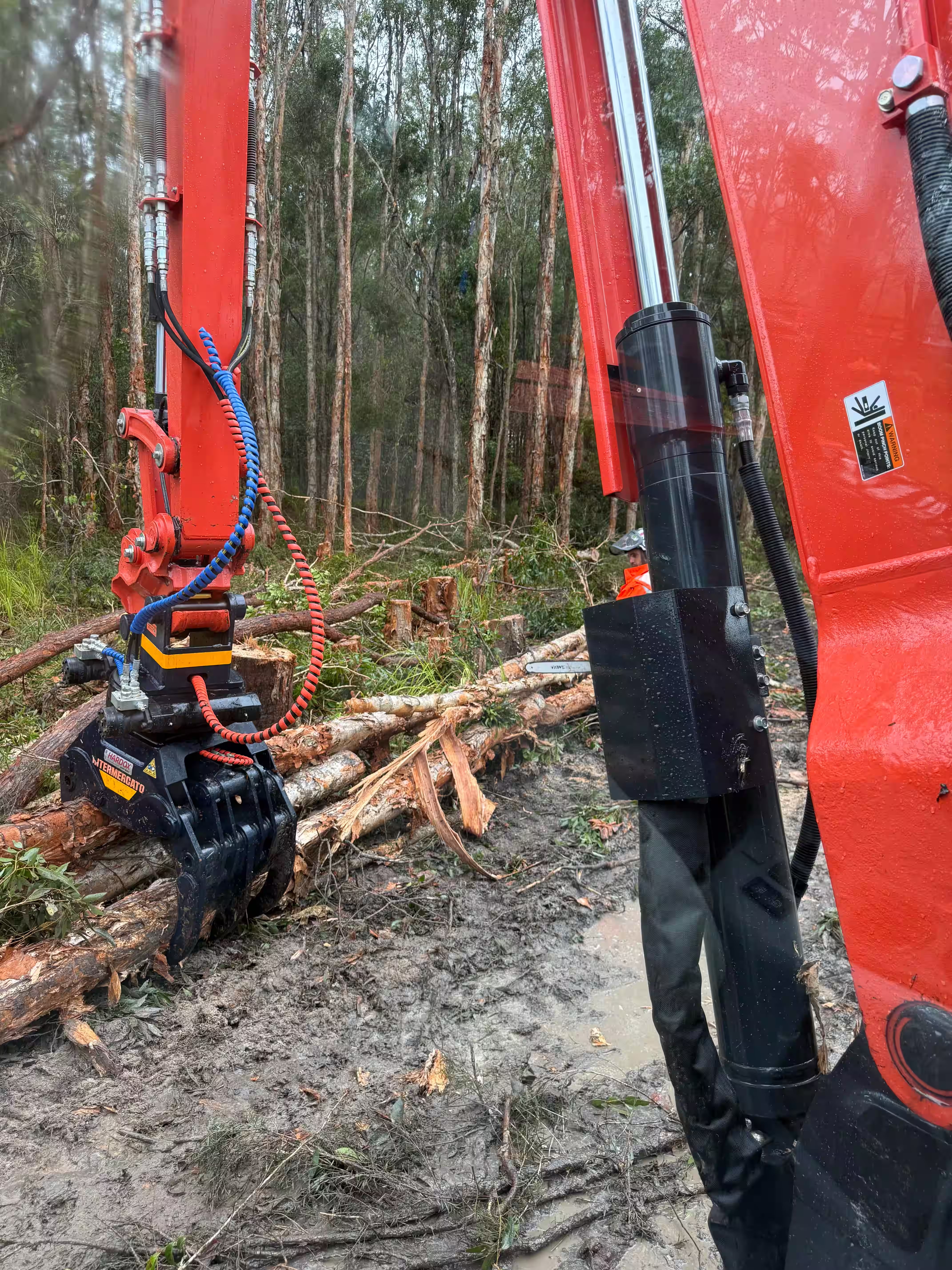
MidCoast Tree Solutions was engaged to carry out land clearing at Charlotte Bay on the NSW Mid North Coast. The work formed part of a DA-approved shed development that required a level, construction-ready footprint before building could begin.
The project scope included full vegetation removal within the approved clearing zone, stump grinding below finished ground level, on-site timber processing, and final site preparation. The goal was to leave the client with a clean, accessible site ready for slab and shed construction — without impacting surrounding vegetation or creating unnecessary waste.
Charlotte Bay sits in a low-lying coastal area where paperbark (Melaleuca) trees thrive in soft, waterlogged soils. The site presented several conditions that made this more complex than a standard vegetation clearing job.
The ground was soft and prone to saturation, meaning heavy machinery needed to be carefully managed to avoid bogging and site damage. Mature paperbarks had extensive root systems that intertwined below the surface, making clean stump removal difficult without the right grinding equipment. The density of the stand also limited sight lines and access, so the clearing sequence had to be planned to maintain safe working corridors throughout.
On top of the terrain challenges, the DA conditions required vegetation removal to stay strictly within the approved footprint. Any encroachment beyond the clearing boundary would risk compliance issues with the local council. Each tree had to be individually assessed before removal, and surrounding paperbarks needed to be protected from machinery contact and falling debris.


The team developed a clearing methodology tailored to the site conditions at Charlotte Bay. Rather than a broad-sweep approach, work progressed from the perimeter inward, keeping stable ground access available at every stage.
Before any machinery entered the site, the crew walked the clearing zone and marked the DA boundary. Each tree within the footprint was assessed for size, lean direction, and proximity to vegetation that needed to stay. This upfront assessment determined the sequence of removal and the positioning of equipment throughout the job.
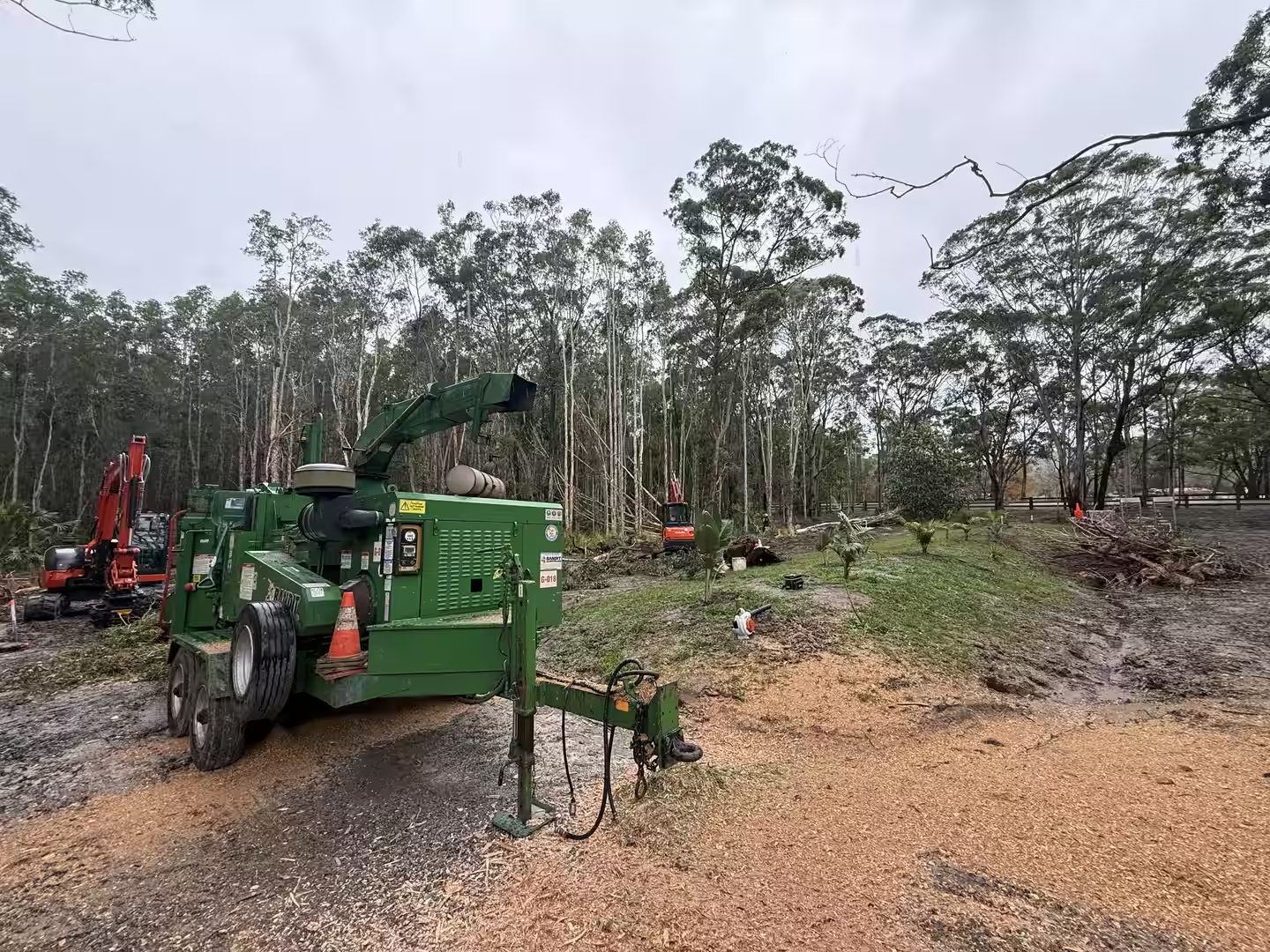
Kubota excavators fitted with Intermercato rotating grapples handled the primary tree removal work. The rotating grab allowed operators to grip, cut, and place each stem with precision — critical when working close to the boundary of protected vegetation. Stems were laid in a designated processing area away from the active clearing face.
Rather than trucking raw timber off-site, the team ran a Bandit wood chipper on location. All cleared paperbark material was processed into mulch and either spread across the site or stockpiled for the client to reuse. This on-site processing cut transport costs, reduced the project’s environmental footprint, and kept truck movements to a minimum on the soft access tracks.
A Rayco stump grinder was brought in to remove every stump below finished ground level. In the soft Charlotte Bay soil, root plates sat relatively shallow, but their spread was wide. The grinder worked methodically across the footprint to ensure no subsurface timber remained that could interfere with the shed slab or future drainage.
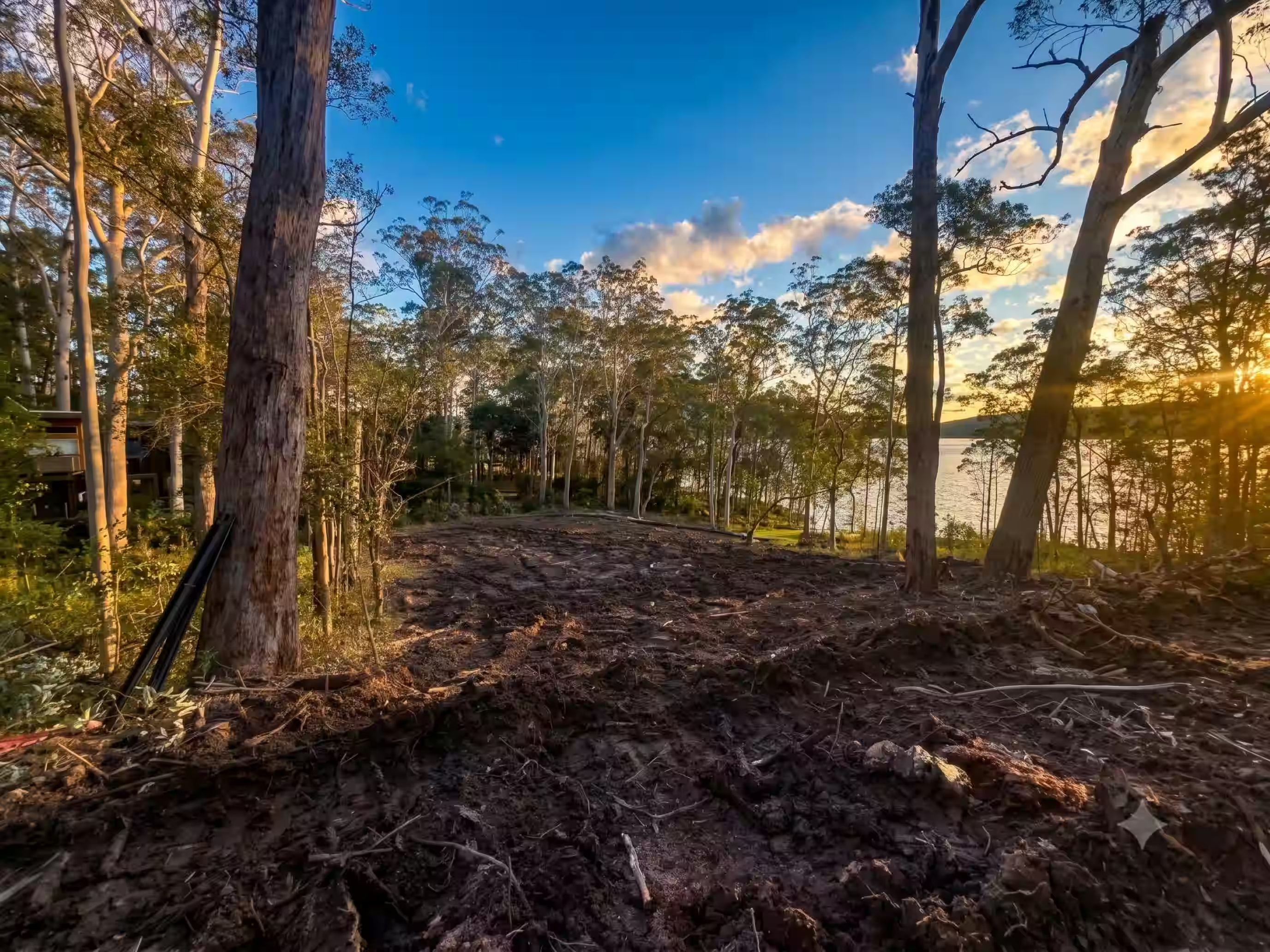
Once clearing and grinding were complete, the site was graded for level access and any remaining debris removed. The result was a clean, stable footprint ready for the builder to begin the next stage of the shed development.
The project delivered a fully cleared, construction-ready footprint within the DA-approved boundary. All vegetation was removed, stumps ground below grade, and the site was left accessible and level for the next phase of construction.
DA-Compliant Clearing The entire shed footprint was cleared to specification within the approved DA boundary, with no encroachment on surrounding vegetation.
Complete Stump Removal All stumps were ground below finished ground level using the Rayco stump grinder, leaving a clean base suitable for slab construction.
On-Site Timber Recycling Cleared paperbark material was chipped into mulch on-site, eliminating the need for off-site disposal and reducing waste to landfill.
Vegetation Protection Surrounding trees and vegetation outside the clearing zone were preserved with no damage from machinery or falling debris.
Safe Delivery The project was completed with no safety incidents and in full compliance with WHS requirements.
Construction-Ready Handover The site was graded, cleared of debris, and left accessible for immediate commencement of the shed build.

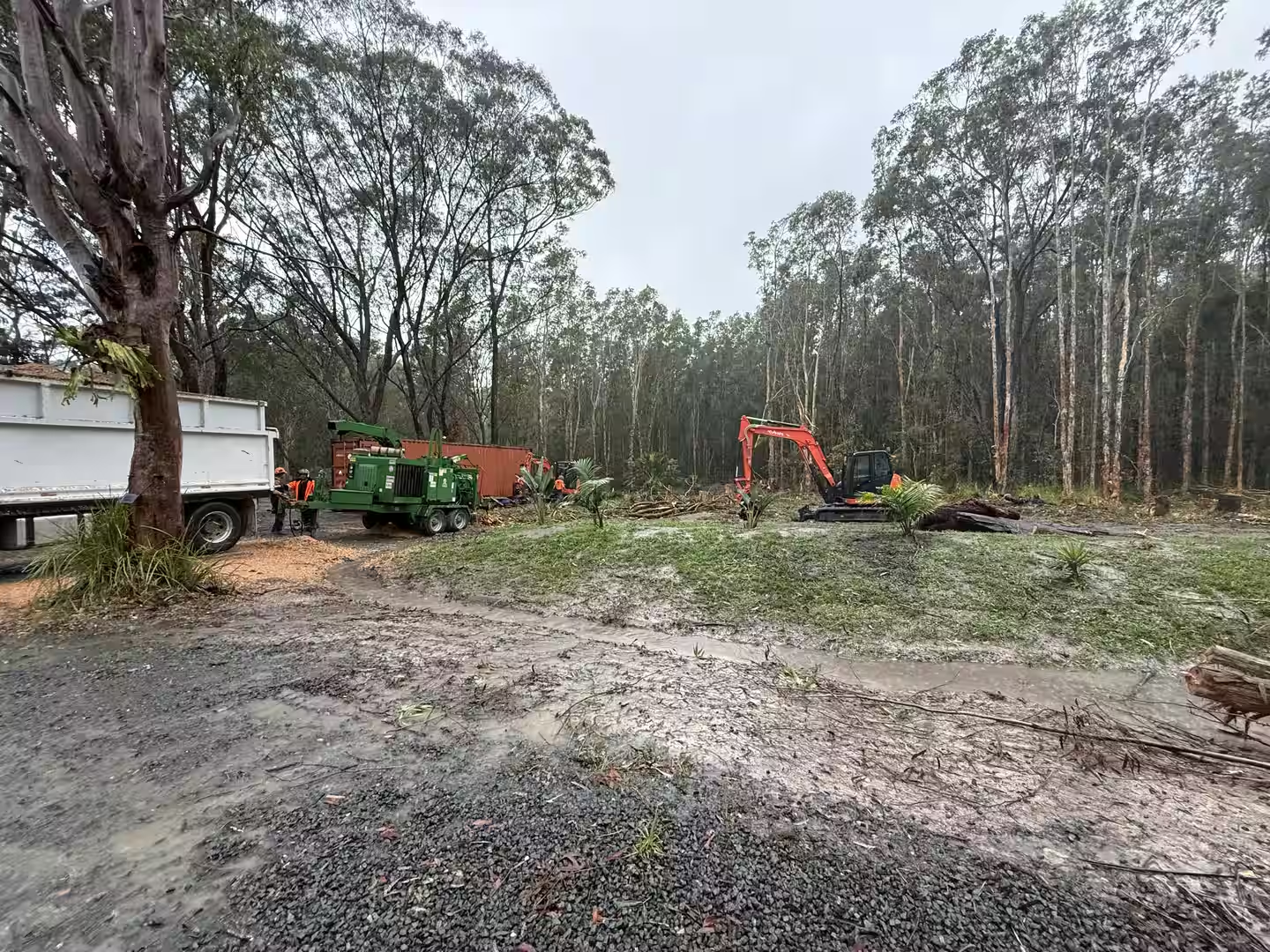
Matching equipment to the terrain was a key part of delivering this project safely. Soft ground and tight access ruled out larger machinery. Here’s what was deployed at Charlotte Bay:
MidCoast Tree Solutions brings the equipment, qualifications, and local knowledge to handle land clearing and vegetation removal projects of any scale. Our AQF Level 5 arborists assess every site individually, ensuring the approach fits the terrain, the DA conditions, and the client’s timeline.
We operate across the Mid North Coast, including Forster-Tuncurry, Pacific Palms, Tea Gardens, Taree, Old Bar, Charlotte Bay, and surrounding areas. Whether it’s vegetation clearing for a new build, stump grinding after storm damage, or a full site preparation package, the process starts with a free onsite quote.

Paperbarks (Melaleuca) grow in dense stands with root systems that spread laterally and interlock beneath the surface. Unlike eucalypts, which tend to have a single deep taproot, paperbark roots form a shallow mat that can extend well beyond the canopy. This makes stump grinding more involved — each stump needs wider grinding passes to catch the full root plate. Their soft, fibrous bark also wraps around machinery more easily than hardwood species, so operators need to clear debris from grapples and chipper feeds more frequently.
It depends on the soil conditions and what was cleared. At Charlotte Bay, because stumps were ground below finished ground level and the site was graded level, the builder was able to move straight into slab preparation. However, on sites with very soft or waterlogged ground, the soil may need time to compact or may require additional fill before construction. Your builder and engineer will confirm whether any geotechnical work is needed before pouring a slab – the land clearing stage just ensures the vegetation and root material are fully removed so they don’t interfere with footings or drainage.
Damaging vegetation outside the approved clearing zone can result in compliance action from the council, including fines and remediation orders. That’s why boundary marking and individual tree assessment before any machinery enters the site is critical. On this project, the crew physically marked the DA boundary and planned the felling sequence so every stem fell inward, away from protected vegetation. Using rotating grapples rather than conventional felling also gives operators precise directional control, which significantly reduces the risk of accidental contact with neighbouring trees.
In most residential and rural clearing jobs on the Mid North Coast, yes. Chipping timber into mulch on-site saves on transport costs, reduces truck movements (which matters on soft or unsealed access), and gives the property owner a useful material for landscaping or erosion control. The main exception is when cleared timber has commercial value — certain hardwoods can be milled rather than chipped. Paperbark doesn’t have significant milling value, so mulching was the practical choice at Charlotte Bay.
We'll visit your property, assess the trees, and give you an honest recommendation at no cost.