Overhanging Branches and Boundary Trees: What MidCoast Homeowners Need to Know About Their Legal Rights
A neighbour's overhanging branch or towering hedge feels like your problem to fix, but the law only gives you very specific, and limited, rights before you pick up a saw. Here's exactly what you can do yourself, when MidCoast Council's rules override that right, and what actually holds up in the Land and Environment Court.
A neighbour's tree hanging over the fence, dropping leaves in the pool, or blocking the afternoon sun is one of the most common sources of tension between MidCoast neighbours. Most of the time it never needs to go further than a friendly chat. But when it does, the rules are more specific than most people expect, and getting them wrong can be expensive.
This guide covers what you can legally do yourself, when MidCoast Council's tree rules override that right, and what happens if a dispute ends up in front of the Land and Environment Court.
Key Takeaways
You can trim a neighbour's branches back to the boundary line yourself, but you must offer the cuttings back to them and cover your own costs.
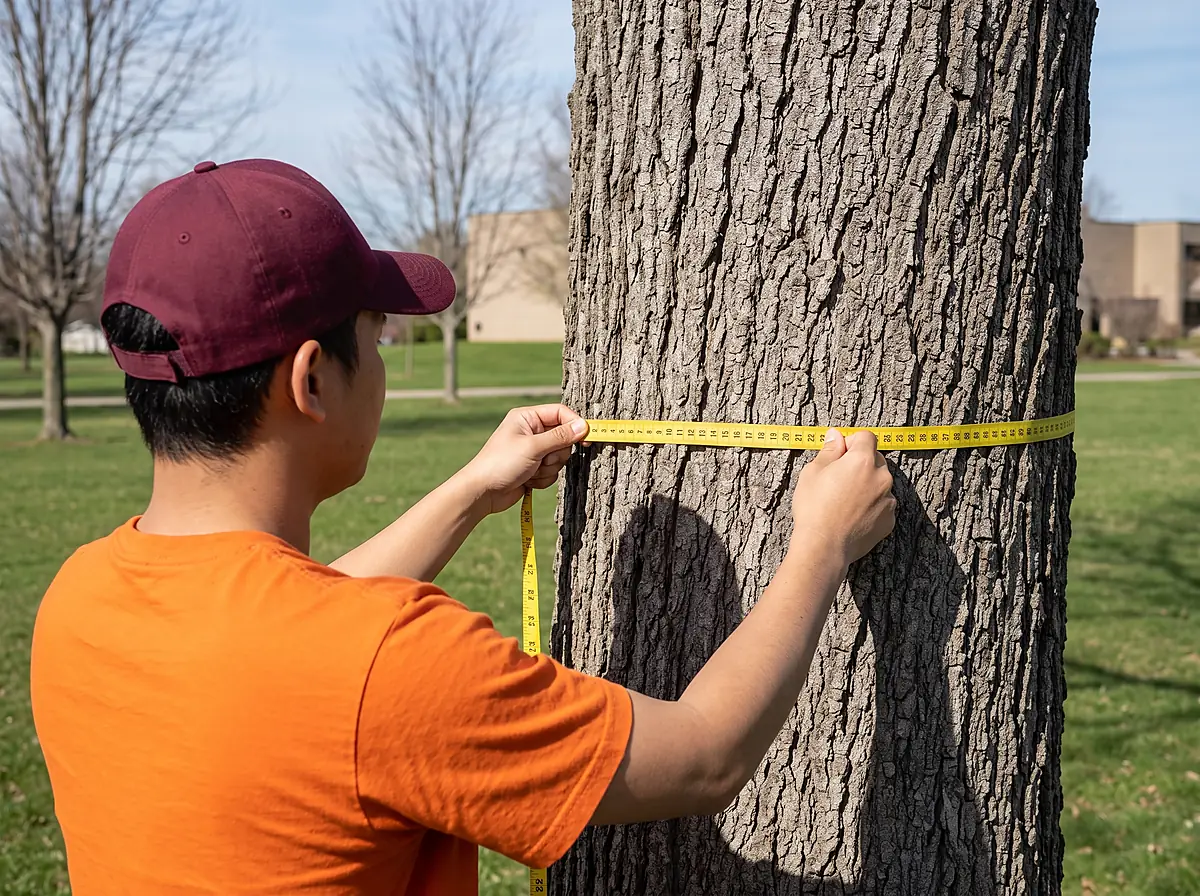
If the tree is protected under MidCoast Council's Vegetation Management Policy (5 m or taller, or 600 mm or more around the trunk), you still need a permit or exemption before pruning it, even if it is overhanging your yard.
Trees within 3 metres of your house wall can generally be pruned or removed without a permit, except koala food or shelter trees in Hawks Nest and Tea Gardens.
If a neighbour's poorly maintained tree damages your fence, they can be liable for the full repair cost, not just half.
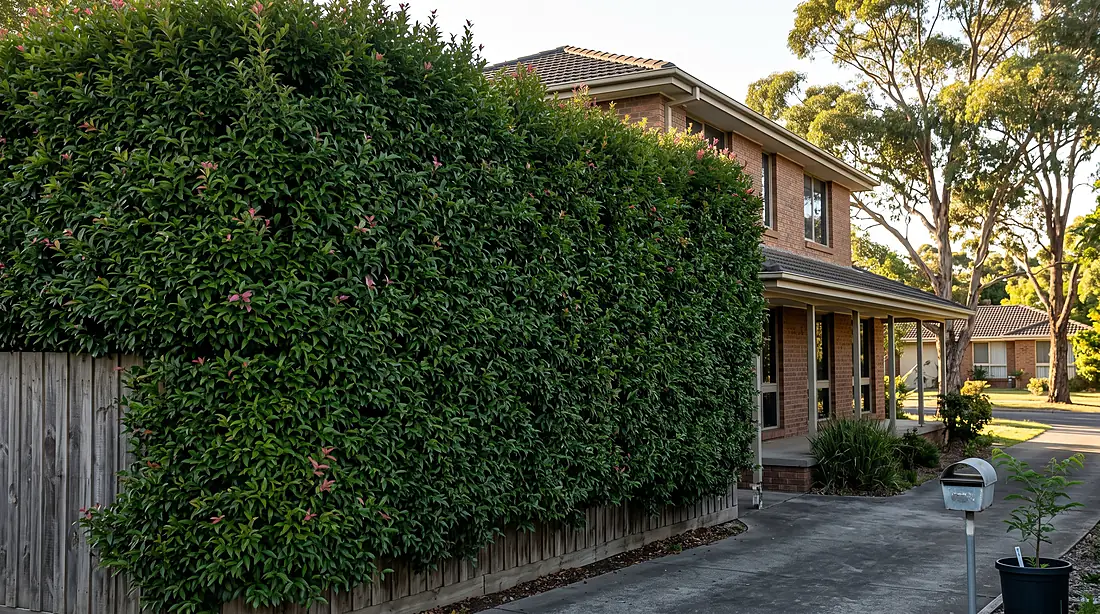
A single tall tree blocking your view or sun does not qualify for a court order, only a genuine hedge of two or more trees at least 2.5 m tall.
Free government mediation through Community Justice Centres is no longer available for neighbour tree disputes as of 1 July 2025, only court-referred mediation or private mediation now.
Ignoring a Land and Environment Court order is a criminal offence and can cost far more than resolving the dispute early.
1. Your Right to Trim Overhanging Branches
Under long-standing common law, you have the right to cut back any branches or roots from a neighbour's tree that cross onto your side of the boundary, without needing their permission first. This is sometimes known as the right of abatement.
It comes with real limits, though. You can only cut up to the boundary line itself, not a centimetre further, and you cannot go onto your neighbour's property to do the work without their explicit permission. Doing so is trespass, even if your intention is just to tidy up their tree.
Anything you cut off, branches, leaves, fruit, flowers, technically still belongs to the tree's owner. Simply throwing the trimmings back over the fence is not good practice and can be treated as dumping waste on their property. The better approach is to offer the cuttings back in writing, and only dispose of them yourself if your neighbour declines.
You also cover all of your own costs. You cannot bill your neighbour for the time or expense of trimming their tree, even if their neglect is why it grew over your fence in the first place. There is a narrow, fact-specific exception where a tree is genuinely poisonous and was deliberately planted, which can shift liability for costs back to your neighbour, but this depends heavily on the specific facts and is worth confirming with a solicitor rather than relying on as a general rule.
Source: Trees (Disputes Between Neighbours) Act 2006 (NSW); common law right of abatement
2. When Council Rules Override That Right
Being able to trim overhanging branches yourself sounds simple, but it does not override MidCoast Council's tree protection rules. If the tree is “protected” under the council's Vegetation Management Policy, meaning it is 5 metres or taller, or its trunk measures 600 mm or more around at 1 metre above the ground, you still need a permit or a valid exemption before pruning it, even though it is overhanging your own yard. We have covered the full permit and exemption process in our council permit guide.
There is some room to move for routine maintenance. A limited amount of light crown maintenance pruning, carried out by a qualified arborist to the relevant Australian Standard, is generally exempt from needing a permit, provided the tree has not already been significantly pruned in the last five years. Anything beyond that scope needs a formal application.
Unlawful pruning or removal of a protected tree is treated seriously. As at the time of writing, on-the-spot penalties sit at $3,000 for an individual and $6,000 for a company, and cases prosecuted through the Land and Environment Court can attract fines well into six figures. Council fees and penalties are reviewed each financial year, so confirm the current figures with MidCoast Council before relying on them.
One exemption worth knowing well: a tree can generally be pruned or removed without council consent if the trunk sits within 3 metres of the external wall of a lawful, permanent dwelling on your property. This is measured to the actual house, not to pergolas, decks, verandas, patios, sheds, carports, or detached garages, those do not count.
There is one important override. In the Hawks Nest and Tea Gardens localities, this exemption is completely suspended if the tree is a recognised koala food or shelter tree (species like Swamp Mahogany, Forest Red Gum, or Tallowwood). In those areas, even a tree within 3 metres of your house may still need a formal assessment.
A similar, narrower exemption can apply where trimming or removal is genuinely necessary to build or maintain a dividing fence under the Dividing Fences Act. If you are relying on this, it is worth confirming the details with council before any work starts, since the koala tree override applies here too.
Source: MidCoast Council, Development Control Plan amendments, Tree and Vegetation Preservation
4. When a Neighbour's Tree Damages Your Fence
Under the Dividing Fences Act 1991, neighbours are generally expected to share the cost of a standard dividing fence equally. That default changes the moment a tree is involved.
If a dividing fence is damaged or destroyed because of a neighbour's negligence, for example, they knew a tree was structurally unsound and did nothing about it, and a branch came down and wrecked the fence, that neighbour becomes responsible for the entire cost of repair, not half. This comes from section 7 of the Act, and it applies whether the damage was deliberate or simply the result of letting a known problem go unmanaged.
You do not need to run two separate cases either. The Land and Environment Court can hear the tree dispute and the fence cost dispute together, with a single commissioner able to make orders covering both the tree itself and who pays for the fence.
The catch is evidence. A vague claim that “the tree did it” is not enough, courts want an independent arborist's report or engineering assessment linking the actual damage to root growth or a specific branch failure. Without that link, even a genuinely damaged fence may not result in a costs order against your neighbour.
Source: Dividing Fences Act 1991 (NSW), Section 7; Land and Environment Court, Class 2 jurisdiction
5. The Trees (Disputes Between Neighbours) Act: Your Main Legal Avenue
When a direct conversation with your neighbour does not resolve things, the Trees (Disputes Between Neighbours) Act 2006 is the main legal pathway for tree-related conflicts in NSW. Importantly, it replaces the old common law claim of nuisance for these situations, you cannot sue a neighbour separately over tree damage or blocked sunlight, you have to go through this Act instead.
The Act only applies to trees situated wholly or mostly on private land zoned residential, rural-residential, village, township, industrial, or business. It does not cover trees on council-owned land, parks, or road reserves, those issues go directly to council's compliance team, not the court.
The legal definition of a “tree” is broader than you might expect. It covers any woody perennial plant, or anything that resembles a tree in size and form. Bamboo is formally classified as a tree under the Act, and recent amendments extended this to vines as well, which brings fast-growing screening plants under the same court jurisdiction as a mature gum tree.
There are two main pathways under the Act. Part 2 covers situations where a tree has caused, is causing, or is likely to cause damage to property, or poses a risk of injury. Part 2A covers a narrower and more specific problem: high hedges blocking sunlight or a view, which we cover next.
Source: Trees (Disputes Between Neighbours) Act 2006 (NSW)
6. High Hedges Blocking Sunlight or Views
Part 2A of the Trees Act deals specifically with hedges, and the criteria are stricter than most people assume.
It must be a hedge, not a single tree. The Act defines a hedge as two or more trees or shrubs planted close together to form a visual screen. The court has no power under Part 2A to order pruning of one isolated tree just because it blocks your view or sun, no matter how tall it is.
The hedge must be at least 2.5 metres tall.
The obstruction must be severe, not just inconvenient. You need to show the hedge severely blocks sunlight to a window, skylight, or glass sliding door, or blocks a genuine view from your home.
For view-blocking claims specifically, the hedge must have been planted after 2 August 2010 (or, if planted earlier, only reached the height threshold after that date).
Source: Trees (Disputes Between Neighbours) Act 2006 (NSW), Part 2A
If your situation involves a single large tree rather than a planted screen, Part 2A will not help you, your only options are the property damage or injury provisions under Part 2, or a direct conversation with your neighbour.
7. Ignoring a Court Order Can Get Expensive
Once the Land and Environment Court makes an order, whether that is to prune a hedge, remove a hazardous tree, or pay for fence repairs, it is not a suggestion. Failing to comply is a criminal offence under the Trees Act, and the consequences can escalate well beyond the original dispute.
A real example is Pham v Papaioannou. After the court ordered a hedge owner to prune their hedge in 2011, the owner did not comply. When the matter returned to court years later, the owner was fined and ordered to pay legal costs of $47,126, vastly more than the cost of simply following the original order would have been.
Source: Pham v Papaioannou [2011] NSWLEC 1044; [2019] NSWLEC 180
The lesson is straightforward: if a court order is made, comply with it, or apply to have it varied through the proper process. Fighting it informally afterwards rarely ends well.
8. Steps to Take Before You Go to Court
Court should be the last resort, not the first move. A structured approach gives you the best chance of resolving things without it, and builds the evidence you would need if it does end up there.
Document everything. Photograph the tree, any damage, and keep a written log of dates and conversations with your neighbour.
Talk to your neighbour directly first. A calm conversation or a written letter proposing a reasonable compromise, like splitting the cost of an arborist, resolves most disputes without any need for formal process.
Check the council mapping before anyone touches the tree. If it turns out to be protected, both of you need to know that before any pruning happens.
Get an independent professional opinion. A written report from a qualified arborist, or a structural engineer or plumber for property damage claims, is the kind of objective evidence the court actually relies on.
One thing has changed recently and catches a lot of people out: free mediation through NSW Community Justice Centres is no longer available for general neighbour disputes as of 1 July 2025. CJC mediation is now limited to matters formally referred by a court, or disputes involving incorporated associations. In practice, that means you will need to pay for private mediation, or file directly with the Land and Environment Court to trigger a court-ordered referral. A solicitor can advise on which path suits your situation.
If you do file an application, be aware that formal written notice to your neighbour has traditionally been required well in advance of the matter proceeding (21 days has been the standard), though the exact notice requirements have recently been amended. It is worth confirming the current rule, or getting legal advice, before you lodge anything.
Source: NSW Department of Communities and Justice, Community Justice Centres; Trees (Disputes Between Neighbours) Act 2006, Section 8
NEED AN ARBORIST FOR YOUR TREE DISPUTE? WE CAN HELP.
Whether you need an independent arborist's report to support a fence damage claim, a professional assessment of whether a tree is genuinely protected, or the pruning or removal work carried out once a dispute is resolved, our team can help with the practical side while you sort out the legal side.
We are MidCoast Council panel providers and Arboriculture Australia members, and our team includes AQF Level 5 Consulting Arborists (the highest field-based arborist qualification, and the level courts and councils generally expect for a tree assessment report). If pruning or tree removal work is needed once the dispute is resolved, we can quote on that as part of the same visit.
We work across the entire MidCoast region, from Forster and Tuncurry to Taree, Wingham, Old Bar, and everywhere in between.